What to check before booking a Niagara Falls boat tour on the Canadian side
Know which side you are boarding from
The Niagara River forms the border between Canada and the United States, and the boat experience on each side is different. On the Canadian side, the boats launch from a dock near the base of Clifton Hill and head straight into the Horseshoe Falls basin. The American boats stay closer to the American Falls and Bridal Veil Falls. If you want the fullest view of all three waterfalls and the most time inside the mist, a tour that departs from the Canadian shore is the better choice. Before you book, confirm that your ticket is for a Canadian-side departure. Some online resellers do not make the distinction obvious, and a wrong booking can mean a different route and a shorter trip near the falls.
Check the season and operating dates
Boat tours on the Canadian side of Niagara Falls run seasonally. The season typically starts in early April and runs through late November or early December, depending on weather and ice conditions. The exact opening and closing dates change each year, so do not assume the boats run on the date you plan to visit. If you are travelling in early spring or late fall, check the official operating calendar before you book accommodation or flights. The boats also stop running on certain days for maintenance or special events, so a quick look at the schedule saves a wasted trip to the dock.
Choose the right time of day
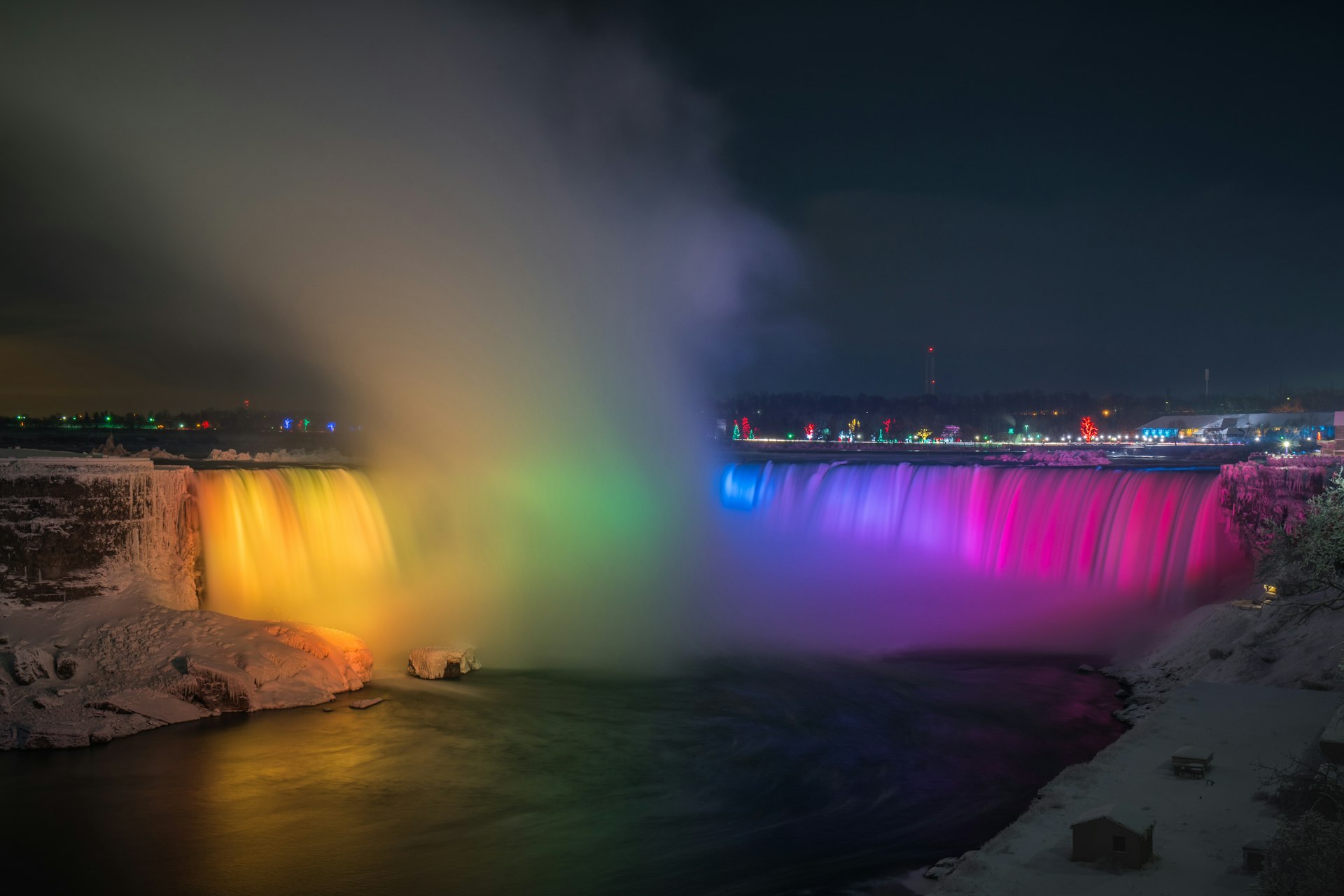
The experience changes dramatically depending on when you go. Morning trips tend to be calmer, with fewer boats on the water and lighter crowds on the boarding deck. The sun hits the mist at a low angle, creating rainbows that stretch across the gorge. Afternoon tours are busier, and the sun is higher, which can wash out some of the colour in the mist. Late afternoon and sunset departures offer a different mood, with the falls lit by warm golden light and the crowds thinning out. If you are booking a canadian niagara falls boat tour, consider what kind of atmosphere you want. Early birds get a quieter ride, while later times give you softer light and a more relaxed pace after the peak hours pass.
Understand the boat type and capacity
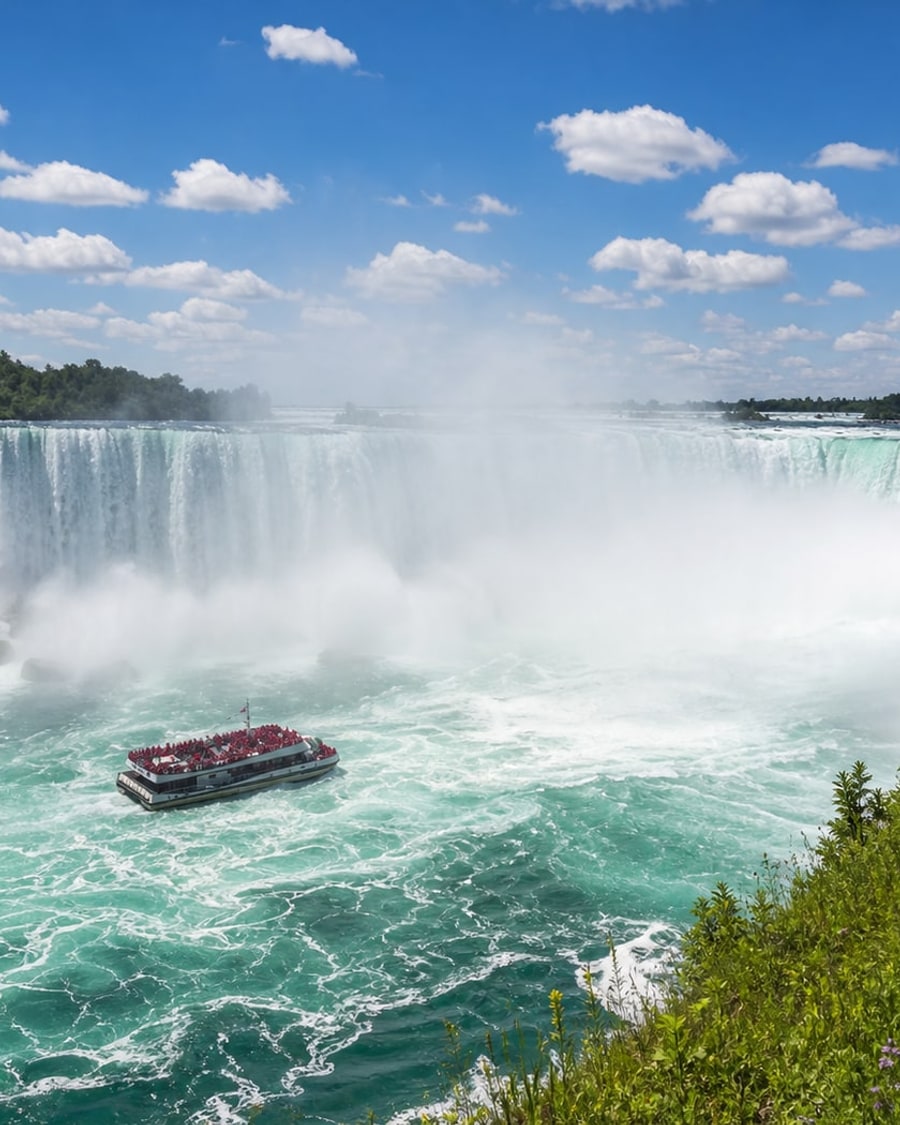
Hornblower Niagara Cruises operates the boat service on the Canadian side. The fleet includes several vessels, each with a covered lower deck and an open upper deck. The lower deck keeps you mostly dry, but the view is partially blocked by the sides of the boat. The upper deck gives you an unobstructed view of the Horseshoe Falls and the Niagara Gorge, but you will get soaked. If you are travelling with small children or someone who does not want to be drenched, book a ticket that allows access to the covered area. The boats also have different capacities. The larger vessels hold several hundred passengers, which can feel crowded during peak times. If you prefer a less packed experience, look for an early morning departure on a weekday when the boats are not at full capacity.
Check what is included in your ticket price
Not all tickets are the same. A standard ticket gets you onto the boat and into the falls basin. Some packages include a souvenir poncho, a digital photo, or a voucher for the indoor observation deck. Others offer a combined ticket that includes entry to the Journey Behind the Falls attraction or the Niagara Fury 4-D theatre. Before you buy, read the fine print to see what is actually included. A basic ticket may be cheaper, but if you want a poncho and a photo, the package deal can save money. On the other hand, if you only want the boat ride, skip the extras and buy the standard ticket. The key is to know what you are paying for and not to assume that every ticket includes the same things.
Consider the weather forecast and wind conditions
The boat runs in most weather, but the experience changes with the conditions. On a calm, sunny day, the mist rises in a steady plume and you can see the full height of the Horseshoe Falls from the deck. On a windy day, the mist blows sideways and can soak the entire boat, including the covered lower deck. Rain can make the decks slippery and reduce visibility. Fog can obscure the falls entirely, so you end up riding into a grey wall of mist. Before you book, check the local forecast for Niagara Falls, Ontario. If high winds or heavy rain are predicted, consider shifting your reservation to a different day. The boats do not cancel for light rain, so you may end up on a wet, cold ride with poor views if you do not plan around the weather.
Know the boarding location and parking situation
The Canadian-side boat tours depart from the Hornblower Niagara Cruises dock at the base of Clifton Hill, near the Niagara Fallsview Casino Resort area. The boarding area is a short walk from the main tourist strip, but parking near the dock is limited and expensive. Most visitors park in one of the large lots near Clifton Hill or the Fallsview area and walk down. If you are staying at a hotel within walking distance, you can skip the parking hassle. If you are driving in, check the parking rates and availability before you go. Some lots charge a flat rate for the day, while others charge by the hour. The walk from the lot to the dock involves stairs and ramps, so factor in that time when you plan your arrival. Arriving 30 minutes before your boarding time is a good rule of thumb to account for parking and walking.
Look at the duration and route of the tour
The standard boat tour on the Canadian side lasts about 20 minutes from departure to return. That sounds short, but the route packs in a lot. The boat heads down the Niagara River toward the Horseshoe Falls, pauses in the basin for several minutes so passengers can feel the full force of the mist and the roar, then turns and cruises past the American Falls and Bridal Veil Falls on the way back. Some tours offer an extended version that goes further down the gorge toward the vortex whirlpool, but those are less common. Before you book, confirm the duration. A 20-minute ride is enough for most people, but if you want more time on the water, look for a longer excursion or a combination ticket that includes a second ride later in the day.
Read the cancellation and refund policy
Plans change, especially when weather is involved. Before you pay for a canadian niagara falls boat tour, read the cancellation and refund policy carefully. Some tickets are fully refundable if you cancel at least 24 hours in advance. Others are non-refundable but allow a date change. A few are completely non-refundable and non-transferable. If you are booking in advance for a trip that is several weeks away, a flexible policy gives you peace of mind. If you are booking last minute and the forecast looks good, a non-refundable ticket may be fine. The key is to know what you are agreeing to. Do not assume that a ticket can be cancelled or changed just because the weather turns bad. Many operators consider rain or wind to be normal conditions and will not issue a refund unless the tour is cancelled by the operator.
Check for age and height restrictions
Boat tours on the Canadian side are open to all ages, but there are practical considerations. Children under a certain height may need to wear a life jacket, which the operator provides. Infants can ride, but they must be held on a lap or in a carrier. Some parents find the noise and mist too intense for very young children, while others enjoy the experience as a family. If you are travelling with a baby or a toddler, check the operator's policy on age and safety gear. Also, consider the noise level. The roar of the Horseshoe Falls is loud enough to make conversation difficult, and the boat horn adds to the din. Ear protection for young children is a good idea, even if the operator does not require it.
Think about the poncho situation
You will get wet on the upper deck. How wet depends on the wind and how close you stand to the railing. The operator provides a disposable poncho with your ticket on most packages, but the quality varies. The standard poncho is a thin plastic sheet that covers your torso but leaves your legs and feet exposed. If you want to stay dry, bring your own waterproof jacket with a hood, or wear quick-drying clothes. Waterproof pants and shoes are a good idea if you plan to stand on the upper deck for the whole ride. Some visitors prefer to wear a swimsuit under their clothes and embrace the soak. Whatever you choose, know that the mist is cold even in summer, and a wet T-shirt on a windy day can make the ride uncomfortable. Plan your clothing accordingly.
Consider the time you will spend in line
Even with a reserved ticket, you may wait in line to board. During peak season, the queue can stretch for 30 to 45 minutes. The boarding area is outdoors, exposed to the sun or rain, with limited shade. If you are visiting in July or August, bring water, sunscreen, and a hat. If you are visiting in spring or fall, bring a jacket. The wait is part of the experience, but it helps to know what you are in for. Arriving early for your scheduled time can reduce the wait, but the line builds as the day goes on. If you want to minimise queuing, book the first departure of the day or a late afternoon slot when the crowds thin out.
Review the photography and phone policy
You will want to take photos and videos, and the operator allows both. However, the mist can ruin a phone or camera that is not protected. A waterproof phone case or a dry bag is essential if you plan to shoot from the upper deck. The operator sells dry bags at the gift shop, but they are cheaper if you bring your own. Also, consider that the mist can fog up a lens. Wipe the lens with a dry cloth between shots. If you are using a DSLR or a mirrorless camera, a rain cover is a good investment. The spray is fine and gets into every crevice. A few seconds of exposure may not cause damage, but a full ride with a camera held out over the railing can lead to moisture inside the lens. Plan your gear accordingly, and do not bring anything that cannot handle a soaking.